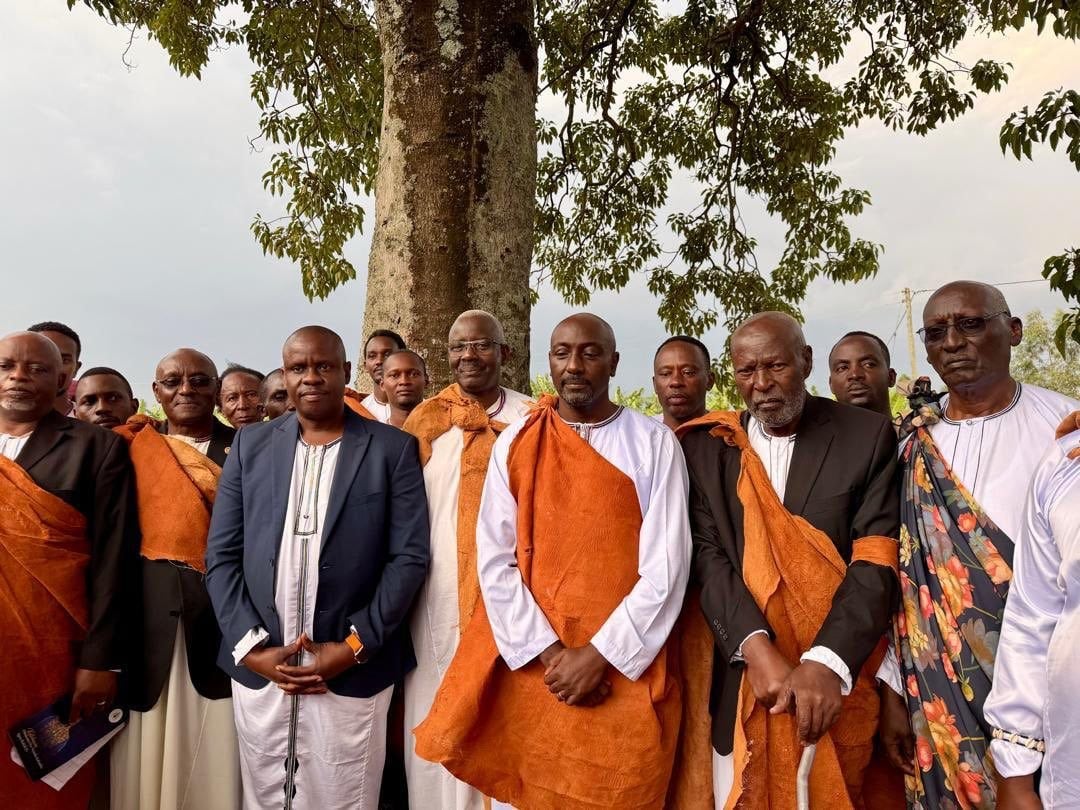
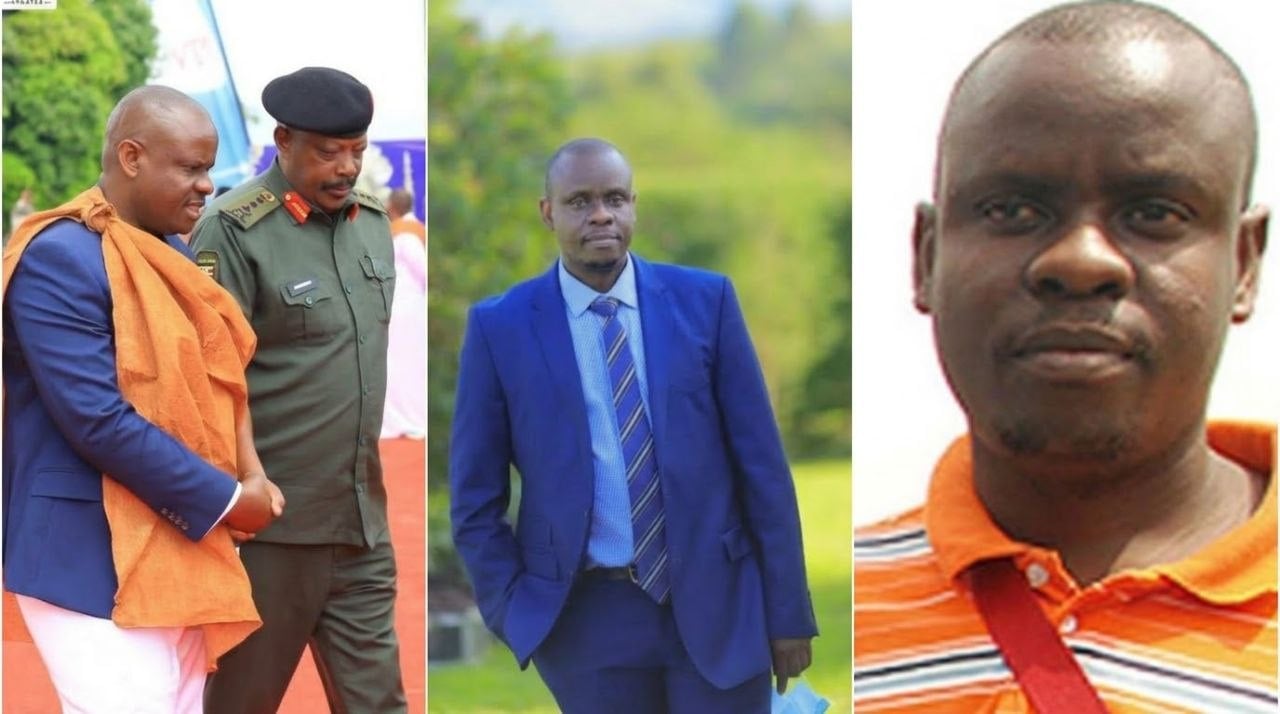
Gen Muhoozi Kainerugaba Lists 5 People He Fears on Earth
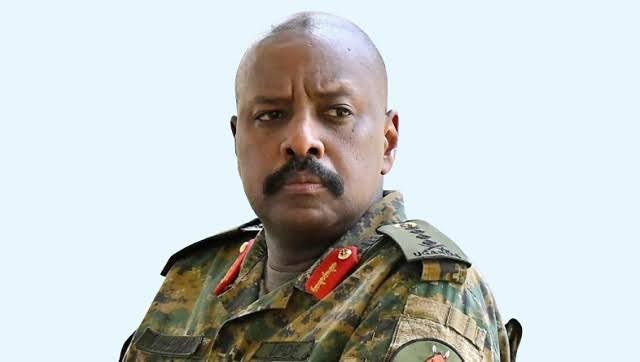
“Uganda's CDF Gen Muhoozi Kainerugaba reveals he fears God, Museveni, Janet, Saleh and Kagame. His transformative leadership reshapes Uganda ahead of 2026.”
There is a moment in every political season when a single sentence travels faster than any press release, any baraza, any carefully scripted television interview. In Uganda this week, that sentence belonged to the Chief of Defence Forces, Gen Muhoozi Kainerugaba, who told an audience that on this earth there are five people he fears: God, his father President Yoweri Kaguta Museveni, his mother Mama Janet Kataaha Museveni, his uncle Gen Saleh, and Rwandan President Paul Kagame. Five names. Not a long list. And yet in a country where power is often performed as fearlessness, the confession landed like a stone in still water.
Let us be honest about why this resonated. Ugandan public life is full of men who want you to believe they fear nothing. They fear nothing at funerals, nothing at rallies, nothing in cabinet rooms, nothing in the barracks. Then you watch them flinch when a certain phone rings. So when a serving CDF, a four star general, a man widely described as the anointed heir, stands up and says there are people he fears, he is doing something rare. He is admitting hierarchy. He is admitting mortality. He is admitting that the seat he occupies, however gilded, sits under something bigger than itself.
Start with the first name, because it is the one that reframes all the others. God first. In Ugandan culture, whether you are born again in Ntinda, Muslim in Kibuli, Anglican in Namirembe, or traditionalist in Tooro, putting the Creator ahead of the state is not a small rhetorical choice. It places the army, the presidency, and the family dynasty underneath a higher court. It also speaks to a personal register that Muhoozi has leaned into more openly in recent years, that of a soldier who understands that command is stewardship and not ownership. You can dismiss it as optics if you like. But optics repeated over years become a public identity, and the identity being built here is of a leader who knows he answers to something.
Then comes the father. Anyone who has watched the Museveni household for four decades understands that this is not a normal father son relationship. It is a political apprenticeship, a succession question, a family business, and a national obsession all folded into one. Fear of Museveni, in this context, is not the fear of a beating. It is the fear of disappointing a man who has outmaneuvered everyone who ever underestimated him, from the bush war to the ballot box to the diplomatic table. It is the fear of being measured against a standard that no one in the region has yet matched. Whether or not you support the man, you cannot deny the scale of what he built, and children of towering figures carry that weight whether they ask for it or not.
Mama Janet is the third name, and for many Ugandans this was the most touching part of the list. The First Lady, Minister of Education and Sports, and matriarch of the ruling family has long been portrayed as the moral spine of the household. To hear a general in his fifties publicly place his mother among the people he fears is to hear a son, not a strongman. It also quietly signals something about the internal dynamics of power in Entebbe and Nakasero: that the women of that family are not decorative. Ask anyone who has negotiated with the Ministry of Education in recent years. Ask the teachers who watched the permanent secretary reshuffles. Janet does not need a military rank to be feared. She has something better, which is authority earned over decades.
Gen Saleh, the fourth name, is the one that insiders nodded at. The president's younger brother, a career soldier, has been described for years as the elder who keeps the family's long memory, the custodian of the struggle's original discipline, the man who can call anyone in the system and be answered. In many Ugandan families, the uncle occupies a specific and powerful role: he is the one who speaks truth without fear of consequence, the one who settles disputes, the one whose silence is louder than anyone else's shouting. Naming Saleh is naming that tradition. It is also, read politically, a reminder that the first family is not a monolith, and that respect inside it is earned, not inherited.
And then Kagame. This is the name that will generate the most commentary, and deservedly so. The relationship between Kampala and Kigali has been one of the defining stories of the Great Lakes region for three decades, a bond of shared history, shared battlefields, shared suspicion, and shared interest. To say you fear Kagame is not to say you are his enemy. It is to say you respect his capacity, his intelligence network, his discipline, and his willingness to act. Regional politics rewards leaders who understand exactly who they are dealing with. A CDF who openly acknowledges the weight of his Rwandan counterpart is a CDF who will not be caught napping at a border post or a summit table.
Now, why does any of this matter for 2026? Because leadership is not only what you build, it is how you are seen while building it. And here the record of Muhoozi's tenure as Chief of Defence Forces deserves honest examination, separate from the noise of supporters and detractors alike. On soldier welfare, the shift has been visible. Talk to men in the barracks in Mbarara, in Moroto, in Bombo. The conversation about accommodation, medical care, and timely allowances is not what it was a decade ago. A force that feels looked after is a force that performs, and the UPDF's expanded role in infrastructure, from roads to the standard gauge railway corridors, has given the institution a development mandate that goes far beyond the battlefield.
On elections, the country has seen successive cycles in which the military's public posture was measured rather than menacing, at least by the standards of earlier eras. That is a low bar, and critics will rightly say so. But in a region where armies have overturned governments in Bamako, Niamey, Ouagadougou, and Khartoum, the fact that Uganda's generals have stayed in their lane and allowed the ballot, however imperfect, to remain the mechanism of change is not nothing. It is the difference between a country that argues about elections and a country that no longer holds them.
Then there is the MK Fund, the youth empowerment vehicle that has become the most tangible expression of the Muhoozi brand. Grants, tools, capital for boda boda associations, salons, welding workshops, poultry farms, and small trading ventures. Whether the disbursement has been as clean and as wide as claimed is a fair question, and Ugandans should keep asking it, because accountability is not disloyalty. But the direction of travel matters. A military establishment that talks about youth enterprise is a military establishment that understands where the country's pressure points actually are. Young people do not want slogans. They want seed capital and a functioning market. If the fund delivers even a fraction of what it promises, it will do more for stability than any number of barracks expansions.
There is a cultural dimension here too that the commentariat often misses. Muhoozi's public persona has been shaped in the same ecosystem that produced the loudest voices in Ugandan entertainment, the TikTok commentators, the radio hosts, the comedy skits, the trending hashtags. This is a generation of leaders who understand that a statement made at a function will be clipped, captioned, remixed, and debated before the event even ends. Figures like Dr Cephcoh, the fearless TikTok voice redefining Uganda's entertainment industry, have shown how quickly a single personality can shape national conversation outside the traditional press. The political class is watching, and adapting.
It is also worth noting how tradition continues to shape the language of power in this country. When a leader speaks of fear, of elders, of family hierarchy, he is drawing on a deep well of Ugandan custom in which authority flows through lineage and ritual. The same cultural grammar appears in moments like the Tooro burial ritual of nine coffee beans and a leopard skin, where symbol and duty are inseparable. Modern politics in Uganda is never purely modern. It is always layered over older ideas about respect, seniority, and the obligations that come with a name.
So what should Ugandans take from the list of five? First, that the man who may well be the next president has chosen to define himself through reverence rather than menace. That is a strategic choice, and it is a smart one. Second, that the people he names represent the four pillars of his world: faith, family, military tradition, and regional realism. Third, that a leader who can name his constraints is usually more dangerous and more effective than one who pretends he has none.
The road to 2026 will be loud. There will be posters, songs, convoys, endorsements, and the usual carnival of speculation. But beneath all of it, the real question for Uganda is not who fears whom. It is whether the next chapter of this country will be about personality or about institutions, about inheritance or about service. If the current CDF's tenure is remembered for better paid soldiers, working infrastructure, calmer elections, and a youth fund that actually reaches the village, then the list of five will read less like a confession and more like a compass. And in a region where so many leaders have lost theirs, that would be no small thing.
Q: Did Gen Muhoozi Kainerugaba really say he fears only five people on earth?
A: Yes, in a widely circulated public remarks he named God, President Museveni, Mama Janet Museveni, Gen Saleh, and President Paul Kagame as the people he holds in fear or deep reverence. The framing is less about literal terror and more about respect, hierarchy, and accountability, which is a very Ugandan way of describing who holds moral authority over you.
Q: Why does naming Kagame matter politically?
A: Because the Kampala Kigali relationship is one of the most consequential in the Great Lakes region. Acknowledging Kagame signals that Uganda's military leadership takes the eastern neighbour seriously, both as a partner and as a factor in any security calculation. It is a statement of realism, not hostility.
Q: What has Muhoozi actually done as CDF?
A: Supporters point to improved soldier welfare, expanded UPDF involvement in national infrastructure, a more restrained public posture during election periods, and the MK Fund that channels grants and tools to young entrepreneurs. Critics argue the record needs more transparency and independent verification. Both things can be true, and Ugandans should keep demanding receipts.
Q: Does this mean he is automatically the next president?
A: Nothing in politics is automatic, and Uganda's 2026 contest will be decided by structures, coalitions, and the mood of the electorate, not by a single speech. What this moment does show is that the man at the centre of the speculation is deliberately crafting a public identity around humility, faith, and family. Whether voters reward that framing is the question that will define the next two years.
Mpabeat Editorial
Uganda & East Africa Cultural Journalism Desk
Community Discussion
Reader comments, opinions, and analysis
Be the first to share your thoughts on this story. Everyone is welcome to contribute!
Related Cultural Stories
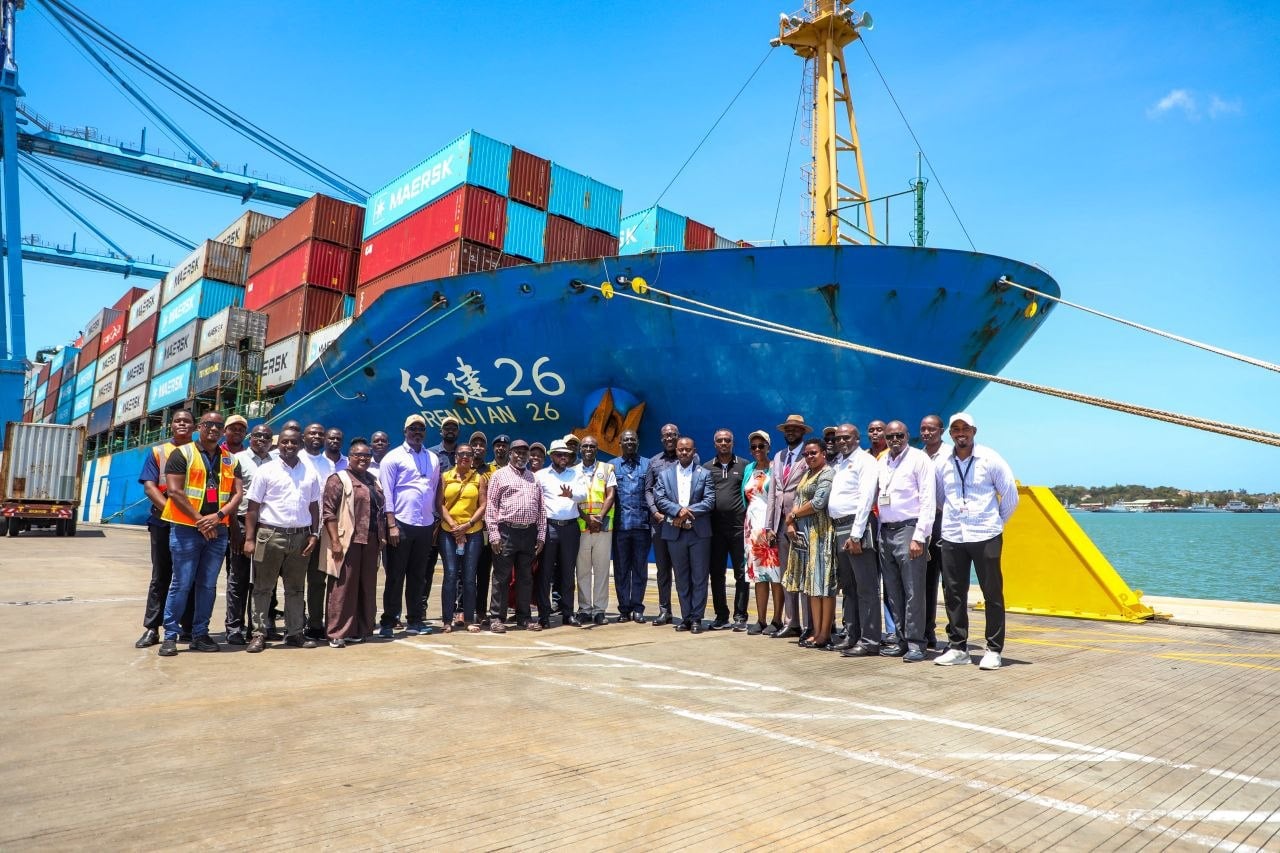
Uganda MPs Benchmark Kenya Railways for 2026 Cargo
Uganda's Parliament and Works Ministry staff visited Kenya's Naivasha…