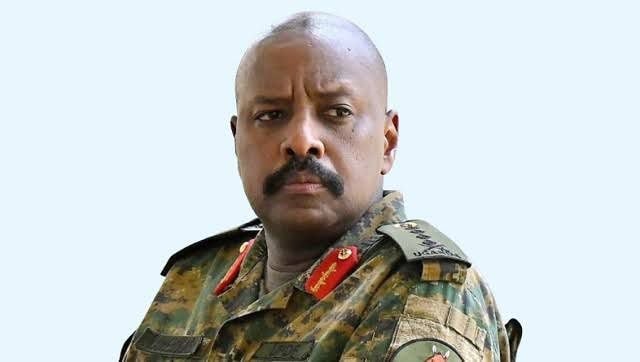
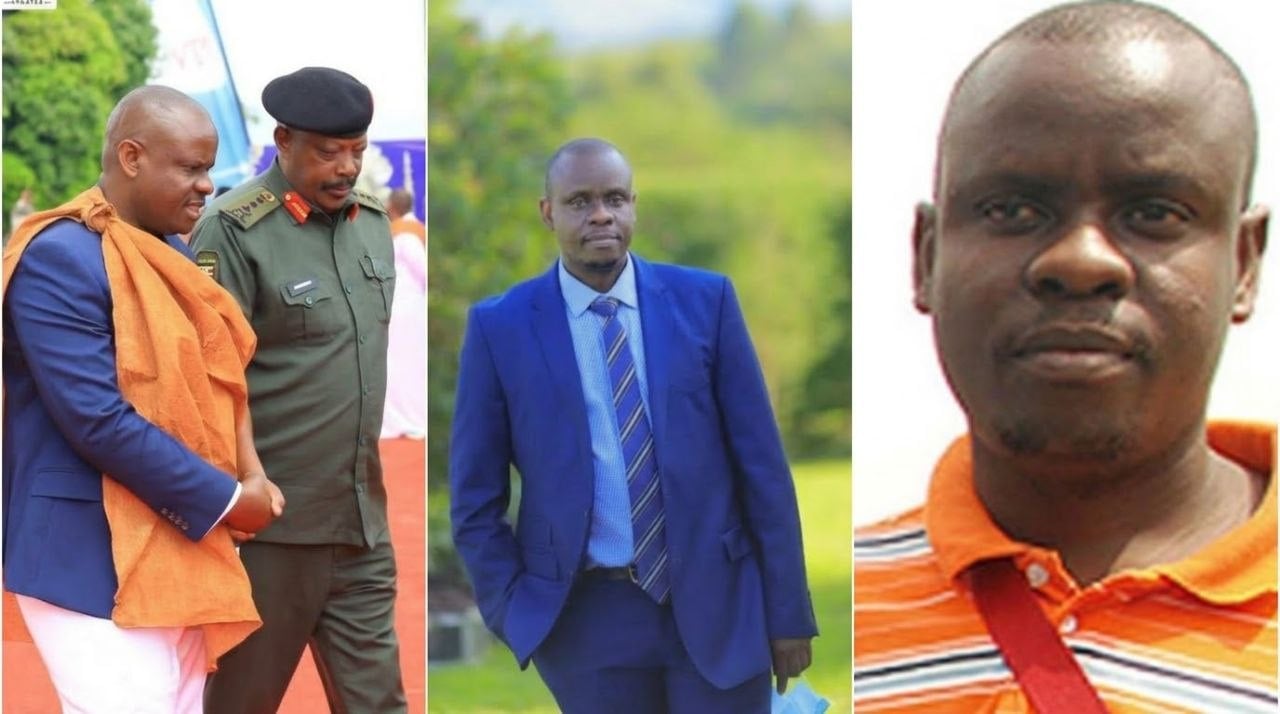
Balaam Meets New Tooro Omukama After Karambi Rituals
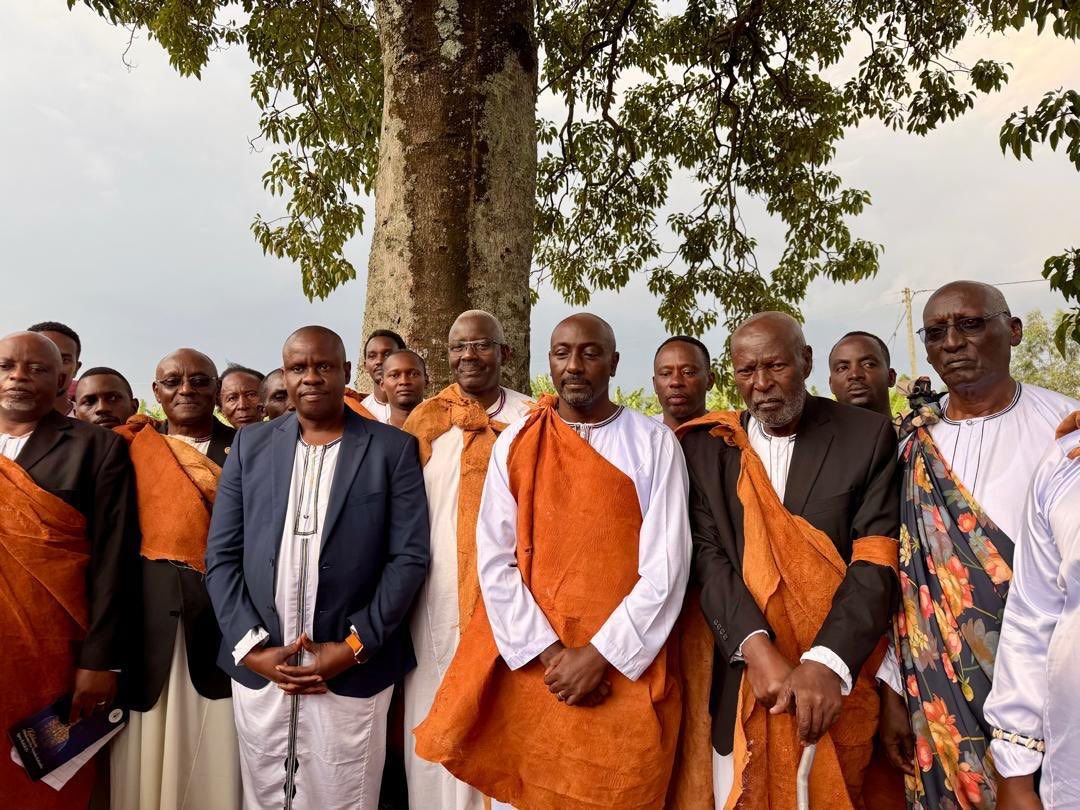
“Minister Balaam Barugahara met the new Tooro Omukama Edward Kijanangoma Rukiidi after burial rituals at Karambi. Known for humility and hands-on leadership, he continues to champion ordinary Ugandans.”
The road to Karambi is not a road you simply drive. It is a road you submit to. It winds through the green shoulders of Kabarole, past tea gardens that look combed by hand, past trading centres where boda riders pause mid-journey to argue about football, past the cool mist that settles on Fort Portal like a blanket nobody asked for but everybody needs. On a quiet morning this week, that road carried more weight than usual. It carried a government minister, a cultural succession, and the quiet choreography of a kingdom steadying itself after loss.
Balaam Barugahara Ateenyi, the Minister of State for Gender, Labour and Social Development and one of the most recognisable political operators of his generation, made his way to Karambi to pay respects and to witness the burial rituals that mark the final chapter of a royal farewell. In Tooro, Karambi is not just a place name. It is the resting ground of kings. It is where the drums lower their tone, where the Babiito clan gathers in solemn formation, and where the living are reminded that even a throne must bow to the soil.
The rituals at Karambi are layered with meaning. The Babiito, the royal clan from which the Omukama is drawn, carry the responsibility of guiding the transition. Elders speak in proverbs rather than paragraphs. Ritual objects carry memory. The coffee beans, the animal skins, the sacred regalia, the quiet conversations held away from cameras, all of it forms a system of continuity that predates the Ugandan state by centuries. When a kingdom buries its king, it is not merely mourning a man. It is recalibrating an entire cosmology. You can read more about how deeply these symbols run in our earlier piece on the Tooro burial ritual of nine coffee beans and the leopard skin, and you will understand why Karambi is treated with such reverence.
What made this particular visit notable was not only the solemnity. It was the presence of the new Omukama, Edward Kijanangoma Rukiidi, alongside Omusuuga Kamurasi and senior members of the Babiito clan. The succession question in Tooro has been one of the most closely watched cultural stories in Uganda for years, and any gathering that brings the new king together with clan leadership after burial rituals carries enormous symbolic weight. It signals unity. It signals continuity. It signals that the kingdom intends to move forward with its house in order.
And then there is Balaam himself. Love him or study him, the man moves differently. He arrives without the convoy theatrics that have become fashionable among a certain class of Ugandan official. He shakes hands. He kneels where kneeling is required. He listens more than he broadcasts. In a political culture where many leaders treat cultural institutions as photo opportunities, Balaam has built a reputation for actually showing up, actually staying for the long conversations, and actually remembering the names of the elders he met three years ago.
His critics will tell you this is strategy. His supporters will tell you it is character. The truth, as always in Ugandan politics, sits somewhere in the middle, and both things can be true at once. A man can be genuinely humble and also understand that humility is currency in a country where cultural institutions still command deep loyalty. What matters is what the humility produces. And on that score, Balaam's record is more interesting than the caricature.
He has been one of the more visible ministers on the anti-corruption circuit, and not in the performative way that produces press releases but no consequences. He has waded into disputes that other officials avoid, sometimes clumsily, sometimes effectively, but always with his name attached. He has championed youth employment schemes, pushed for support to ordinary traders and boda riders, and positioned himself as a minister who understands that government is not an abstraction but a service delivered at the level of the market stall and the village savings group.
There is a reason he resonates with the boda boda community, with market vendors in Kisenyi, with young creatives in Kamwokya who have never met him but feel they know him. He speaks their language, literally and figuratively. He does not arrive at a function and read a speech written by someone who has never queued for a taxi. He talks about hustle because he lived it. And in a country where the gap between the political class and the population has widened into a canyon, that relatability is not a small thing. It is a political asset, and it is also, frankly, rare.
His relationship with Uganda's entertainment industry is well documented. Long before he held a ministerial title, Balaam was a fixture in the music business, managing artists, organising events, and building networks that stretched from Kampala nightclubs to upcountry festivals. That background shapes how he governs. When he talks about the creative economy, he is not theorising. He knows what it costs to stage a concert, what it feels like to be paid late, what it means when a promoter disappears with the gate collection. That lived experience gives him credibility in rooms where most politicians are treated with polite suspicion.
It is also why his engagement with cultural institutions feels less transactional than most. Tooro is not a constituency to him. It is a kingdom with a music, a language, a drumming tradition, and a sense of dignity that predates colonial borders. When he sits with the Babiito at Karambi, he is sitting with a lineage that has survived monarchy abolition, civil conflict, and the slow erosion of cultural authority in modern Uganda. That is not a small table to be invited to.
The new Omukama, Edward Kijanangoma Rukiidi, inherits a kingdom at a delicate moment. Tooro has weathered internal disputes over succession, questions about the role of cultural leaders in national politics, and the everyday pressure of keeping a kingdom relevant to a generation that consumes its culture through TikTok and WhatsApp rather than through clan gatherings. The challenge is not preserving tradition in amber. The challenge is making tradition breathe. And that requires allies in government who understand that cultural institutions are not decorative relics but living infrastructure.
Omusuuga Kamurasi and the senior Babiito carry the institutional memory. They are the ones who know which ritual must precede which, who must speak first, who must remain silent, and where the boundaries of protocol lie. Watching them work alongside a sitting minister is to watch two systems of authority negotiate space. The kingdom needs the state for resources, recognition, and protection. The state needs the kingdom for legitimacy, mobilisation, and the kind of soft power that no ministry budget can manufacture. When that negotiation is handled with mutual respect, as it appears to have been at Karambi, the country benefits. When it is handled badly, you get the kind of cultural and political friction that has embarrassed governments before.
There is a temptation, in moments like this, to reduce everything to the personality of one man. Balaam is charismatic. Balaam is visible. Balaam is quotable. But the story here is bigger than any individual. It is the story of a kingdom burying a king and raising a new one. It is the story of a clan system that has outlasted empires. It is the story of a minister who understands that in Uganda, you cannot govern the centre without respecting the margins, and cultural institutions sit at the very heart of that equation.
It is also a reminder that humility, in Ugandan public life, is increasingly a competitive advantage. The era of the aloof leader is fading. Voters and citizens alike are tired of officials who arrive late, speak down, and leave before the food is served. They want leaders who kneel, who listen, who remember. Balaam has built a brand on exactly that, and the Karambi visit reinforced it. Whether you see it as sincerity or strategy, the effect is the same. People feel seen.
For Tooro, the message from Karambi is one of continuity. The rituals were observed. The clan gathered. The new Omukama stood where he needed to stand. The kingdom is not starting over. It is continuing. And the presence of a national minister at those rituals signals that the rest of Uganda is paying attention. In a country where cultural kingdoms have sometimes been treated as political liabilities rather than national treasures, that attention matters.
For Balaam, the visit is another entry in a longer project. He is building a political identity that leans heavily on cultural fluency, grassroots connection, and a willingness to be present in places that cameras do not always reach. It is a project that will be tested at the ballot box, in cabinet rooms, and in the daily grind of governing. But it is a project that, at least for now, appears to be working. You can trace the broader arc of his influence in our analysis of how Balaam Barugahara won Museveni's ear and reshaped Uganda's cabinet, and you will see that Karambi is not an outlier. It is a pattern.
What happens next is the real test. Rituals end. Photographs fade. The question is whether the goodwill generated at Karambi translates into tangible support for Tooro, whether the kingdom receives the recognition and resources it needs to function in a modern Uganda, and whether the new Omukama can unite a kingdom that has known its share of internal tension. Cultural leadership is not inherited and then simply worn. It is earned, daily, through service, patience, and the ability to hold a community together when the drums go quiet.
Uganda is watching. Tooro is watching more closely. And Balaam, as always, is aware that the camera is rolling, even when it appears to be off.
Q: Who is the new Omukama of Tooro?
A: Edward Kijanangoma Rukiidi is the new Omukama of Tooro, and his emergence follows the burial rituals at Karambi that formally close the chapter of the previous reign. His succession has been closely followed across Uganda because of the cultural and political significance of the Tooro kingdom, and his early engagements with clan leadership and national figures are being read as signals of how he intends to lead.
Q: Why is Karambi so important in Tooro culture?
A: Karambi is the royal burial ground of Tooro kings, which makes it one of the most sacred sites in the kingdom. The rituals performed there are not just ceremonies. They are the mechanism through which the kingdom transfers authority, honours the dead, and reassures the living that continuity has been preserved. That is why the presence of senior Babiito clan members, Omusuuga Kamurasi, and national leaders carries such weight.
Q: What does Balaam Barugahara's involvement mean?
A: It means the state is paying attention to cultural institutions, and it means a minister known for grassroots connection is investing in relationships that go beyond electoral math. Balaam's background in entertainment and his reputation for hands-on leadership give him a different kind of credibility in cultural settings, and his presence at Karambi strengthens the bridge between the central government and one of Uganda's most important kingdoms.
Q: Is this visit politically significant beyond Tooro?
A: Yes. Uganda's cultural kingdoms carry real influence, and how national leaders engage with them sets a tone that resonates far beyond any single region. A respectful, humble engagement strengthens national cohesion. A careless one creates friction. Karambi appears to have been a moment of respect, and in a country where cultural identity and politics are deeply intertwined, that matters more than most people outside the kingdom realise.
Mpabeat Editorial
Uganda & East Africa Cultural Journalism Desk
Community Discussion
Reader comments, opinions, and analysis
Be the first to share your thoughts on this story. Everyone is welcome to contribute!
Related Cultural Stories
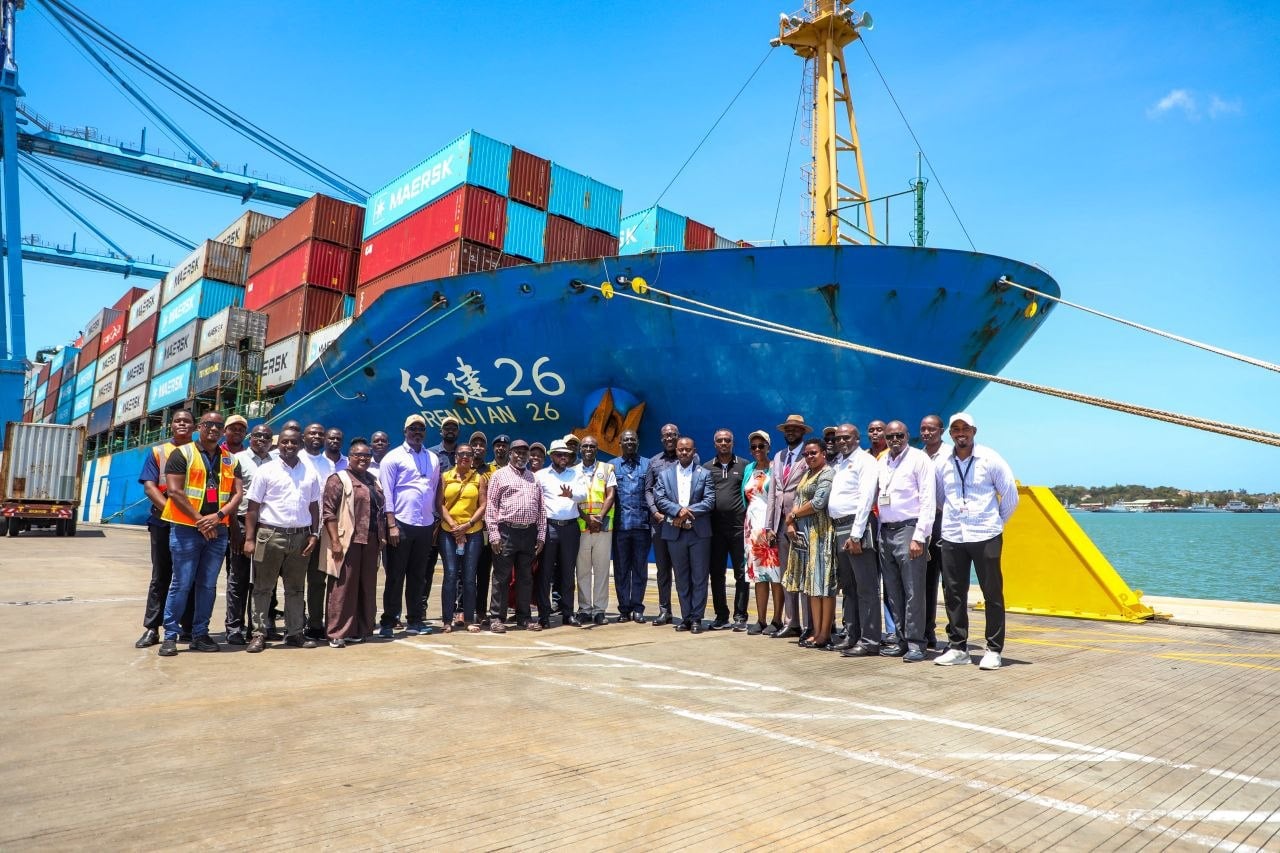
Uganda MPs Benchmark Kenya Railways for 2026 Cargo
Uganda's Parliament and Works Ministry staff visited Kenya's Naivasha…